A well constructed paver patio in Pasadena does two things at the same time. It includes that classic San Gabriel Valley charm, and it stands up to heat waves, winter season downpours, and the dull grind of daily use. Brick pavers have a warmth put concrete hardly ever matches, and contemporary interlocking systems offer you stability that old mortared brick never had. Done right, a patio area transforms weekend routines, offers your planting style a stage, and deals with household gatherings without moving or spalling. Done incorrect, it gathers puddles, grows weeds in the joints, and heaves at the edges.
What follows originates from numerous patio areas and sidewalks we have built on Pasadena soils, together with the attached components that pull an outside room together. If you are interviewing a patio contractor or a paver contractor, utilize this as a framework to ask much better questions, and top landscapers in Pasadena to imagine the last area before any pallets arrive.
Why brick pavers still matter here
In areas from Bungalow Heaven to the Lower Arroyo, brick fits amongst clinker brick chimneys, clay tile roofs, and mature canopies. Even in modern builds, a tight brick field with a clean soldier course gets rid of the sterilized appearance of a slab while keeping upkeep sensible. The very best paver patio styles for Pasadena homes respect the architecture, however they likewise manage water and heat. A herringbone brick apron under a trellis, a running bond path softening a stucco exterior, or a basketweave court around an outdoor fireplace all feel comfortable in this climate.
Brick is not the only product that works. Concrete pavers have come a long method, with important color blends and textures that imitate quarried stone. Natural stone pavers use luminosity and variation you can not phony, especially in morning or golden hour light. The decision is a balance amongst spending plan, slip resistance, heat absorption, and what you plan to do on that surface.
Reading the website before you select a pattern
Before we even talk surfaces, we look at how the home handles water. Pasadena's soil frequently turns in between fertile pockets and persistent clay, sometimes within a few feet. Include the city's fast bursts of stormwater in winter and long dry seasons, and surface area drain ends up being the foundation of a long lived patio area. A skim of sand under pavers is never ever enough here. You want a compacted base that moves water laterally, a completed surface pitched 1 to 2 percent away from structures, and an edge restraint that keeps the whole field in place.
Tree roots change the discussion. Mature oaks, camphor, jacaranda, and sycamores are components on lots of streets, and their root zones reach far. Interlocking pavers endure a percentage of seasonal motion and are simpler to raise and re level than poured concrete. We have conserved more than one patio merely by removing a couple of courses, hardscaping guide shaving root pressure points, and reinstalling with a thicker bedding layer.
Sun direct exposure likewise guides material option. Dark concrete pavers can hold heat on a south facing patio area that bakes from twelve noon to five. Brick reads cooler to the touch compared to most dense stones in August. Smooth sawn stone can get slick with morning dew under a dense canopy, so a tumbled or flamed surface keeps footing safe.
The case for interlocking systems
Interlocking pavers are not just a marketing term. The geometry of each system, the polymeric or swept sand in the joints, and the friction of a compressed bedding layer lock an entire patio into a single mat. This assists in seismic regions, and Pasadena sits near faults that remind us to plan for small however real ground movement. In a settled base, pavers bend a portion and return. Mortared joints fracture and telegraph those fractures to the eye.
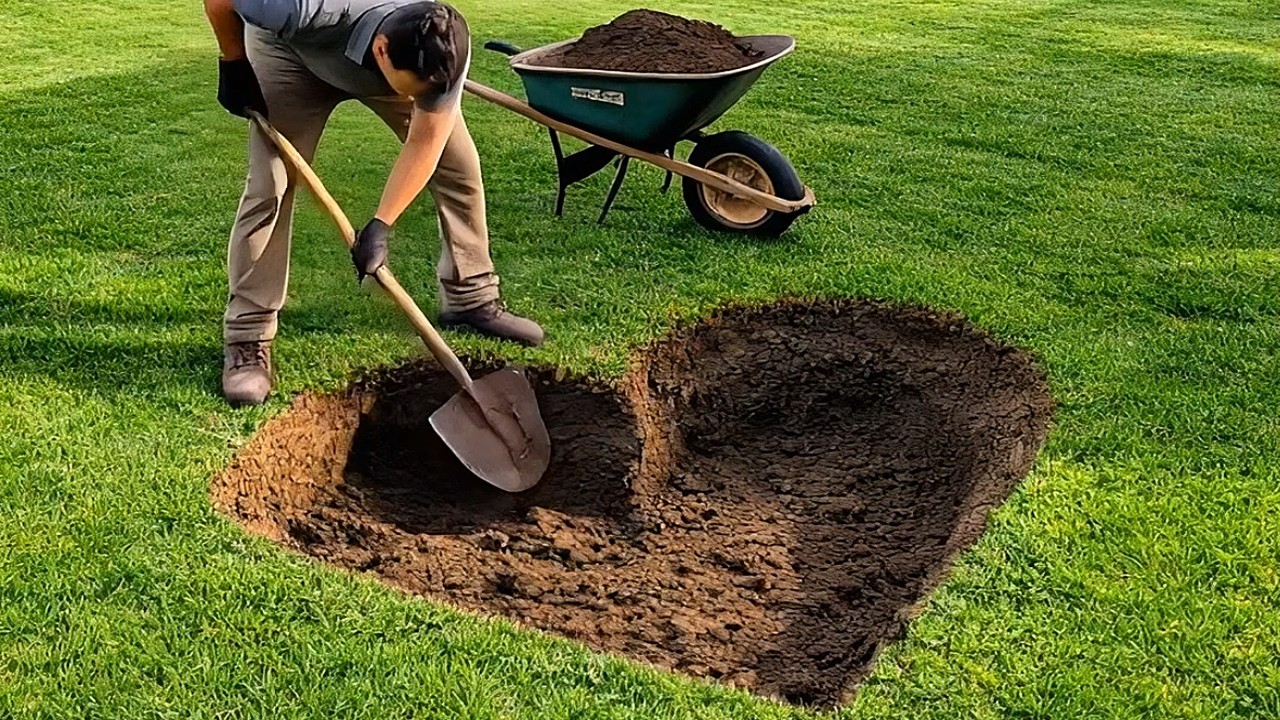
The installation sequence sets the tone for years of usage. After excavation, we set up geotextile where subgrade warrants it. Then comes a base of class II roadway base or similar, compressed in thin lifts. We screed a bed linen layer, set the pavers in pattern, run a plate compactor with a protective mat, and sweep in joint sand. Edges get limited with concrete beam or concealed aluminum edging, pinned and backfilled. The result is a field that drains pipes, withstands weeds if kept, and can be repaired in a local method without unsightly patches.
Choosing in between brick, concrete, and natural stone
Quality paver patios in Pasadena hardly ever depend upon just one requirement. They hinge on trade offs. Maintenance tolerance, long term colorfastness, budget per square foot, and how you desire the space to feel all matter.
- Brick pavers provide traditional texture, trustworthy slip resistance, and a human scale. They deal with Pasadena's heat with less surface glare than some concrete blends. Clay bodies go through the whole system, so color holds even as you wear the surface over the years. Concrete pavers give you pattern adaptability, edge to edge precision, and a broad color combination. Lots of lines carry permeable choices that assist on flat sites or near safeguarded trees. You can strike contemporary notes with big formats, or imitate cobble with tumbled edges. Natural stone pavers have to do with character. Limestone and sandstone can be soft under foot however require sealing and thoughtful selection to avoid slick surface areas. Granites and porphyries use like iron and take texture well. Expenses vary extensively, so line up the stone to the home and your expectations for patina.
A useful list before you break ground
- Confirm drainage strategy: slope, area drains pipes, and where the water daylights. Verify base density against soil type and loads, usually 4 to 8 inches for patios. Detail the edge restraint and shifts to yard, planters, and thresholds. Decide on joint media, standard sand or polymeric, based upon upkeep preference. Plan energies: avenue for lighting, gas for a fire pit installation, and stub outs for future Pasadena outdoor cooking area ideas.
Patterns, accents, and how they change the room
Pattern does more than look pretty on a sample board. It changes how the eye reads the width of a courtyard or the length of a path. Herringbone resists point loads better than running bond, which is why we like it under dining tables and grill carts. Running bond checks out calm and linear, helpful for long sightlines from cooking area door to a stone seat wall. Basketweave adds heritage notes to Artisan age homes without feeling busy if you keep the field color simple.
Borders carry weight. A double soldier course in a contrasting brick or complementary concrete paver frames the area and secures edges where furniture drags. In curved patio areas, small format pavers make arcs clean without awkward cuts. For modern projects, a 2 by 2 or 18 by 36 inch concrete paver in a stack bond pattern pairs with steel planters and smooth stucco, while a narrow dark border keeps the field from bleeding into nearby gravel.
Pasadena permitting, obstacles, and useful code notes
Not every outdoor patio requires a permit, however when you include gas lines, seat walls over certain heights, or retaining walls that keep back soil, the city will want illustrations. A retaining wall contractor in Pasadena must be proficient in when engineering is required, which frequently starts at 4 feet of kept soil, determined from the bottom of footing. If you are preparing retaining wall installation in Pasadena CA on a slope, anticipate to go over drainage and soil reports. Stone retaining walls experts in Pasadena LA weigh aesthetic appeals against constructability, particularly when connecting a wall into historical products at the house.
Where energies cross, we sleeve them with schedule 40 PVC or steel and mark their path. Gas lines for an outdoor fireplace or grill station follow code setbacks, and we pressure test them before backfill. Electrical for lighting gets GFCI defense, and low voltage runs reside in separate channel from line voltage for clearness and safety.
Retaining walls that make their keep
Patios on hillsides typically require aid to sculpt a flat zone for dining or lounging. Creative block retaining walls Pasadena clients request usually fall into 2 classifications. The first is a modular block wall with geogrid reinforcement, dressed with a tumbled face or a smooth modern-day block. These correspond, engineered systems that stack quickly and perform well when set up by the book. The second is a mortared or dry stacked stone veneer over a structural core, which brings the love of old courtyard gardens.
Drainage behind any wall is non negotiable. Weep holes or perforated pipe covered in gravel and geotextile save walls from hydrostatic pressure after the very first climatic river occasion. Where walls sit near property lines, we manage height changes with low balconies rather of one tall mass, which lowers visual bulk and paperwork.
Walkway setup and how it ties the house together
An outdoor patio requires excellent techniques. Walkway installation from the front gate to the patio sets expectations before anyone sees the backyard. Stone walkways can swing under trees and step across garden beds with broad flagging. Interlocking concrete systems keep a tight, sweepable course from driveway to side door. The technique is to broaden the walk at decision points so guests can pause or pass without entering the planting.
Clients frequently reveal us inspiration boards labeled Ridgeling outdoor living garden pathway ideas, full of dappled light and groundcovers softening edges. That look is achievable, but keep clear widths at 36 to 48 inches where you expect traffic, and usage plant pockets strategically where it makes sense. Where a path meets the patio area, we like to change material or pattern in a subtle method, signaling a brand-new room without a hard border.
Building an outside kitchen that works more than one season
Pasadena outside kitchen area concepts typically begin with a grill island and a counter to lean on. Add a shade aspect, a little preparation sink, and a landing location that can manage a hot pan, and you will use it twice as much. We stub gas during patio installation when we can, even if the grill is phase two. A GFCI outlet for a mixer and a charging phone will seem like a luxury till you host your very first birthday party.
Counter heights need to match how you cook. Requirement 36 inch counters suit most tasks, while a 42 inch bar ledge develops a tidy face to the patio and keeps splatter concealed. Face products matter. Brick pavers turned on edge tie the island to a brick field. Concrete pavers can skin a block core if specified for vertical use. Natural stone caps with a slight overhang give a shadow line and protect faces from drips.
Fire functions for cool evenings
Even in a warm climate, nights drop enough that an outdoor fireplace or low profile fire pit extends the season. Gas systems streamline usage and air quality compliance. Wood burning fire features face restrictions at times and can ash close-by pavers if not thoroughly managed. Irreversible fire pit installation belongs on a surface area ranked for heat, with a non combustible lining and a gas shutoff within reach however out of easy tampering range.
We find seating with wind and smoke in mind, even with gas. Leave area behind benches so people can flow without stepping off the patio. A circular pit often pairs well with a rectangle-shaped outdoor patio if you set the circle partially into a planting bed, which softens the geometry and hides the burner pan from certain angles.
Joint options, weed concerns, and genuine maintenance
Joint sand choice comes down to how much you want to fuss. Standard cleaned sand compacts well and drains, however it can move in high pressure cleansings and may invite windblown seeds. Polymeric sands solidify in the joints when properly set up, which slows weed growth and ant tunnels, though you need to follow watering guidelines thoroughly to avoid haze. In shaded zones with leaf litter, a small vacuum or a stiff broom keeps surface areas clean without cleaning joints out.
Brick pavers love a light pressure wash at low to moderate settings one or two times a year, followed by sand top up where required. Concrete pavers might gain from a breathable sealer if your tree canopy discolorations the surface area. Natural stone sealing depends on porosity and finish. A matte penetrating sealer can make cleanup much easier without changing the character; prevent glossy finishes that trap moisture.
Edges, steps, and the small details that prevent call backs
Edge restraint stops working are the top 2 factors pavers shift. The other is water. We put a concrete edge beam or use an industrial edge restraint set into compressed base along all exposed edges. Where an outdoor patio ends at lawn, a hidden edge lets you trim clean while keeping the field locked.
Steps deserve full attention. Risers ought to be consistent within a quarter inch from one action to the next. Treads want a minor pitch forward so water does not sit. Where we cap with stone, we extend the tread 1 to 1.5 inches to protect risers and watch the joint. Lighting under the nose of the tread or nearby course lights make night use safe without glare.
Cost varieties and what drives them
Square foot prices move with excavation depth, access, product option, and include ons like seat walls or lighting. As an extremely general referral for Pasadena:
- A straightforward concrete paver patio area with minimal grading might land in the mid to high teenagers per square foot when constructed by experienced crews. Brick pavers, depending upon format and border complexity, typically run greater due to labor and cutting time. Natural stone pavers swing commonly. Imported or thick dimensional stone can press costs into the thirties or beyond, while some domestic stones hold closer to superior concrete paver pricing.
Retaining walls, outside kitchen areas, gas lines, and drainage systems are usually approximated as different line products. If a website requires export of heavy clay or import of base to remedy grades, that line can move overalls more than the surface selection.
Timeline and sequencing that appreciates your life
A modest patio of 350 to 500 square feet with basic gain access to typically installs in one to two weeks, start to finish. Include time for permitting if a retaining wall or gas line is in the scope. We intend to trench energies before base goes in, so the patio is not cut after the truth. If plants become part of the same job, we install irrigation sleeves and valve stubs while trenches are open, then return after hardscape is complete to end up irrigation and planting. This sequence keeps mud to a minimum and prevents running over fresh beds.
Neighbors appreciate notification when saw cutting or condensing will be loud. We set up plate compaction in tight windows and keep dust down with tidy water and barriers at gates. On hilly streets with minimal parking, we stagger shipments so pallets do not block driveways.
When brick is perfect and when it is not
Brick pavers shine around older homes, under pergolas, and in courtyards where you desire a soft radiance underfoot. They set a tone that piece concrete struggles to attain, and they make fast buddies with climbing up roses, citrus in pots, and a mosaic of dappled light.
But they are not always the very best response. If you need a driveway that sees regular heavy loads, some concrete paver systems are engineered for higher compressive strength and have bigger formats that speed installation throughout broad locations. If your style leans difficult minimalist, a big format concrete paver with tight joints and a crisp border delivers that look much better than conventional brick. For pool decks, many natural stone pavers use cooler surfaces and textures customized for damp bare feet.
Working with a professional who owns the details
Good patio installation reads basic when finished, however the design and preparation are anything but casual. When you interview a patio contractor, ask to walk a job in development. Base work informs you everything about pride and process. Ask how they deal with slope transitions, how they compact in lifts, and how they stage products to secure your driveway and next-door neighbors' persistence. A strong paver contractor will talk just as much about subgrades and drainage as about color blends.
The very same opts for retaining walls. The best team will show you geogrid lengths, go over soil conditions, and be clear about where water goes. A specialist who has actually constructed both creative block retaining walls Pasadena clients love and mortared stone veneers can steer you towards a system that matches your budget, design, and the physics of the site.
If you are exploring design assistance, patio design Ridgeline Outdoor Living focused groups normally present pattern boards, border mockups, and sample joints so you can sign off on the look before it is long-term. Ridgeline Outdoor Living paver installation experts, or any comparable firm with deep Pasadena experience, must be comfy with brick pavers, concrete pavers, and natural stone pavers, and be honest about where each shines.
A quick story from a genuine courtyard
A Craftsman near the Arroyo had a concrete piece that caught water versus the back wall every winter season. The homeowner desired warmth, an herb garden close to the cooking area, and a little gas fire pit. We lifted the piece, found blended fill over difficult clay, and saw why water lingered. The fix was not remarkable: 6 inches of compacted base with a crown that was up to a discreet slot drain, brick in a 45 degree herringbone field with a double soldier border, and a low seat wall that cut into a planting bed to hold a slight grade modification. We ran a gas line with a shutoff tucked behind the seat wall, prepped a stub for a future grill, and wired low voltage lines under the steps.
Two months later, an atmospheric river rolled through. The outdoor patio shed water cleanly, the drain carried it to daytime, and the owner sent out a picture of steam curling off the brick as the sun broke out after the storm. No drama, simply a quiet system doing its job.
Bringing it all together
A fantastic patio does not yell. It feels unavoidable, like it belonged from the first day. Interlocking pavers provide the performance, brick supplies the appeal, concrete pavers supply versatility, and natural stone offers a sense of permanence. Retaining walls shape the space when the land swells. Thoughtful walkway installation connects the front to the back and lets guests circulation without thinking about it. A gas line tucked in the right location, a light where a foot may miss a step, and a border that protects the field turn a pretty image into a resilient space.
If you are prepared to start, collect a couple of pictures of locations you take pleasure in, walk your yard after a heavy watering to see where water remains, and mark the sun at breakfast, lunch, and supper. Then bring those notes to a specialist with Pasadena miles and a portfolio that matches your taste. You will know in the first conference whether they talk about finishes just, or whether they care simply as much about the bones under the beauty. The outdoor patio you end up with will show that choice whenever you step outside.
Business Name: Ridgeline Outdoor Living
Address: 845 E Walnut St, Pasadena, CA 91101, United States
Phone: (626) 469-5822
Ridgeline Outdoor Living
Ridgeline Outdoor Living is a Pasadena-based landscape design-build company serving Greater Los Angeles with custom outdoor living, hardscape, and drought-tolerant landscape solutions. The company specializes in patios, retaining walls, outdoor kitchens, drainage, hillside projects, and turnkey landscape construction, handling projects from design and permitting through final build and warranty.
845 E Walnut St, Pasadena, CA 91101, USA
Business Hours:
- Monday – Saturday: 8:00 AM – 6:00 PM
- Sunday: Closed
Follow Us: